Engine problems are among the most stressful issues a car owner can face. They are also some of the most expensive to fix. One moment your vehicle runs smoothly, and the next, you are looking at a repair estimate that feels unexpectedly high. That gap between expectation and reality is exactly why an engine repair cost guide matters. Costs vary widely depending on the type of damage, vehicle model, labor rates, and even location. Two similar-sounding problems can have completely different financial outcomes. This guide breaks down what actually drives engine repair pricing. It also explains how to avoid unnecessary expenses and make more informed decisions when your mechanic hands you an estimate.
What Determines Engine Repair Costs in Modern Vehicles
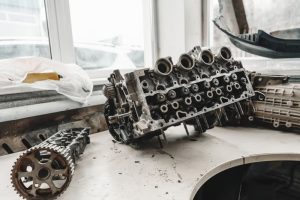
Engine repair costs are not fixed because engines themselves are not simple systems. They are tightly engineered machines with many interconnected components. A small issue in one area can quickly affect multiple systems. The biggest factor is the type of repair required. Minor fixes such as replacing sensors or gaskets may cost relatively little. Major internal damage, however, can require extensive labor or even a full rebuild. Labor cost is another major factor. Mechanics often charge by the hour, and engine work is time-intensive. Even a simple diagnosis can take longer than expected if the issue is not immediately visible. Parts also influence total cost significantly. High-performance or imported vehicles often require expensive components that are not easily available. Older cars may have cheaper parts, but availability can still be a problem. Vehicle brand and engine design matter as well. Some engines are easier to access and repair, while others require significant disassembly just to reach the faulty component.
Common Types of Engine Problems and Their Cost Ranges
Overheating and Cooling System Failures
Overheating is one of the most common and dangerous engine problems. It is often caused by radiator issues, coolant leaks, thermostat failure, or water pump problems. If caught early, repairs might be limited to replacing a single component. But if overheating continues, it can lead to warped cylinder heads or even complete engine failure. That difference is critical. A minor cooling system repair may be manageable, but delayed action can turn it into one of the most expensive engine repairs possible.
Oil Leaks and Lubrication Problems
Oil leaks may look minor at first, but they can create serious long-term damage. Common causes include worn gaskets, damaged seals, or degraded engine components. When lubrication drops below safe levels, friction increases inside the engine. This leads to faster wear and potential internal damage. The cost depends heavily on how early the problem is detected. Small leaks are relatively inexpensive to fix, but long-term neglect often results in major repairs.
Timing Belt or Chain Failures
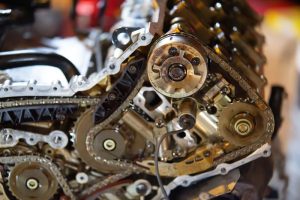
Timing components control engine synchronization. When they fail, the engine can suffer severe internal damage almost instantly. Replacing a timing belt or chain before failure is usually a moderate-cost maintenance job. However, if it breaks while driving, it can damage valves, pistons, and other internal parts. This is one of the clearest examples of how preventive maintenance can dramatically reduce engine repair costs.
Engine Misfires and Sensor Issues
Modern engines rely heavily on sensors and electronic systems. A misfire can be caused by faulty spark plugs, fuel delivery problems, or sensor malfunctions. Diagnostic work is often required before repairs even begin. While individual parts may be inexpensive, identifying the issue can take time. This is why diagnostic fees are common in these cases. The complexity of modern engine systems increases both accuracy requirements and labor costs.
Labor Costs and How They Affect Your Total Bill
Labor is often the most expensive part of engine repair. Engines are tightly packed, meaning mechanics must remove multiple components just to reach the problem area. Hourly labor rates vary depending on location and workshop type. Dealerships usually charge more due to specialized equipment and certified technicians. Independent garages may offer lower rates, but expertise can vary. Diagnostic time also adds to cost. Before repairs begin, mechanics often run tests, scan codes, and inspect multiple systems. This process is necessary but can increase the final bill even before actual repairs start. In some cases, labor can exceed parts cost significantly, especially in complex engine repairs.
Hidden Costs in Engine Repair You Should Know About
Many drivers focus only on the repair estimate itself, but additional costs often appear during the process. Diagnostic fees are common. These cover time spent identifying the problem before repair begins. Some shops include this in the final bill, while others charge separately. Towing costs can also add up if the vehicle is not drivable. Storage fees may apply if the car remains at the workshop for an extended period. Unexpected parts replacement is another factor. Once the engine is opened, mechanics may find additional worn components that were not part of the original estimate. Warranty limitations can also lead to extra costs if previous repairs fail or need rework.
Repair vs Replacement Decision-Making
When Engine Repair Is the Smarter Option
Engine repair is usually the better choice when damage is limited or localized. If the issue affects a specific component rather than the entire engine, repair can be cost-effective. It is also a practical option when the vehicle still has strong overall value or when the rest of the car is in good condition. Targeted repairs can extend engine life significantly if handled early.
When Engine Replacement Becomes Necessary
In cases of severe internal damage, replacement may be more practical than repair. This includes situations where multiple internal components fail or the engine has completely seized. A replacement engine can sometimes be more predictable in cost than extensive repairs that may uncover additional hidden damage. Used or rebuilt engines can also reduce overall expenses compared to brand-new replacements.
Financial and Practical Factors to Consider
Decision-making is not only technical. It is also financial. The age of the vehicle, resale value, and long-term usage plans all matter. Spending a large amount on repairs may not make sense if the car’s overall value is low. On the other hand, repairing a newer or well-maintained vehicle may be a smarter investment. Availability of parts and engine options also influences the final decision.
How to Reduce Your Engine Repair Costs Effectively
Early detection is one of the most effective ways to reduce costs. Small issues become expensive when ignored. Regular maintenance plays a major role. Routine oil changes, coolant checks, and inspections help prevent major engine failures. Choosing the right mechanic is equally important. Transparent workshops that provide clear estimates and diagnostics reduce the risk of unnecessary repairs. Using aftermarket parts can sometimes lower costs, but quality should always be considered carefully. In some cases, OEM parts offer better long-term value. Driving habits also matter. Aggressive driving increases engine stress and long-term wear.
How to Read and Evaluate an Engine Repair Estimate
Breaking Down the Cost Components
A proper estimate should clearly separate labor, parts, and diagnostic charges. This transparency helps you understand where your money is going. Labor hours should be clearly stated. If they are not, it becomes harder to evaluate fairness.
Spotting Red Flags in Repair Quotes
Vague descriptions are a warning sign. Estimates should clearly specify what is being repaired or replaced. Pressure tactics are another concern. A trustworthy mechanic allows time for comparison and questions.
Getting Multiple Estimates for Better Accuracy
Comparing quotes from different workshops can reveal pricing inconsistencies. It also helps you understand the market rate for your specific repair. This step is especially useful for major engine work where costs vary widely.
Regional and Market Factors That Influence Pricing
Location plays a major role in engine repair cost. Urban areas often have higher labor rates due to overhead costs. Availability of parts also differs by region. Imported components may be more expensive or take longer to arrive in certain areas. Market demand can influence pricing as well. Busy repair seasons or supply shortages often increase costs temporarily.
Preventive Maintenance Strategies to Avoid High Costs
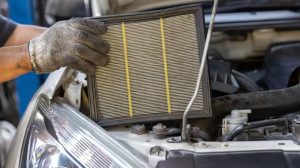
Routine maintenance is the most reliable way to avoid expensive engine repairs. Regular oil changes keep internal components lubricated and reduce wear. Monitoring warning signs such as unusual noises, smoke, or performance changes can prevent small issues from escalating. Scheduled inspections help detect problems early before they become severe. Driving habits also matter. Smooth acceleration and avoiding overheating conditions help extend engine life.
The Future of Engine Repair Costs and Automotive Technology
Modern engines are becoming more complex due to advanced electronics, sensors, and emissions systems. This increases diagnostic difficulty and can raise repair costs. Hybrid and electric vehicles are changing the repair landscape further. While they may reduce traditional engine repairs, they introduce new types of technical maintenance. As technology evolves, repair work will require more specialized tools and training, which may influence long-term pricing trends.
Conclusion
Understanding engine repair costs helps drivers make smarter financial decisions when problems arise. Costs depend on many factors, including damage severity, labor rates, parts availability, and vehicle design. The key takeaway from this engine repair cost guide is simple. Early detection and preventive maintenance are the most effective ways to avoid expensive repairs. When issues do occur, informed decision-making between repair and replacement can prevent unnecessary spending. With the right knowledge, you can approach engine problems with confidence instead of uncertainty.