Internal engine repairs are among the most complex services in automotive maintenance. Unlike routine repairs such as oil changes or brake replacements, internal engine work requires deep technical expertise, specialized tools, and significant time investment. This is why engine work labor rates vary so widely between shops and situations. Understanding what drives these costs helps vehicle owners make better repair decisions and avoid unexpected expenses.
What Makes Internal Engine Work More Expensive Than Standard Repairs
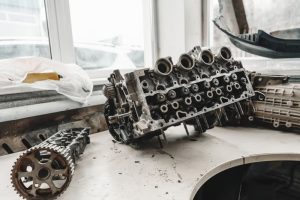
Internal engine repairs involve dismantling and rebuilding the most critical component of a vehicle. This is not surface-level maintenance. It requires access to tightly engineered parts that are not designed for frequent disassembly.
Unlike general repairs, engine work labor rates reflect the precision and risk involved. A small mistake during reassembly can lead to catastrophic engine failure. Because of this, mechanics must work slowly and carefully, which increases labor time.
Another factor is specialization. Not all mechanics are trained to handle internal engine repairs. Shops that offer these services often employ highly skilled technicians, which naturally increases pricing.
Time is also a major cost driver. Even a basic internal inspection can take several hours, while a full engine rebuild may require days or even weeks of labor.
Engine Design Complexity and Its Direct Impact on Labor Costs
Modern engine design plays a significant role in determining labor rates. Some engines are easier to access and repair, while others require extensive disassembly just to reach internal components.
Differences Between Inline, V-Type, and Boxer Engines
Engine layout directly affects how long repairs take. Inline engines are generally simpler, with components arranged in a straight line. This makes them easier to access and repair, resulting in lower labor costs.
V-type engines are more complex. Their dual-bank design means technicians must work on two separate cylinder banks, increasing disassembly time and labor effort.
Boxer engines present another challenge. Their horizontal layout improves vehicle balance but makes access difficult. This often requires additional labor steps, increasing overall engine work labor rates.
Modern Engine Technology and Tight Tolerances
Modern engines are built with extremely tight tolerances to improve performance and fuel efficiency. However, this precision makes repairs more demanding.
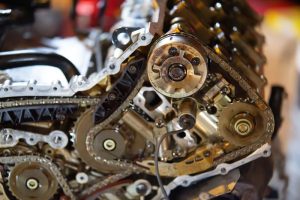
Technologies such as turbocharging, direct fuel injection, and variable valve timing add layers of complexity. These systems require careful calibration during reassembly.
Even small misalignments can affect engine performance, which means technicians must follow strict procedures. This increases both skill requirements and labor time.
Diagnostic Difficulty as a Major Driver of Engine Work Labor Rates
Before any repair begins, the problem must be accurately identified. Diagnosis is often one of the most time-consuming parts of engine work.
Time Spent Identifying Internal Failures
Internal engine issues are not always visible. Mechanics rely on diagnostic tools such as compression testing, leak-down testing, and electronic scanning to pinpoint problems.
Each test takes time and may need to be repeated for accuracy. In some cases, multiple tests are required to isolate the root cause, increasing labor hours before actual repair work even begins.
Intermittent vs Catastrophic Engine Issues
Some engine problems are straightforward, such as a failed gasket or broken component. Others are intermittent, appearing only under certain conditions.
Intermittent issues are particularly difficult to diagnose because they do not consistently reproduce symptoms. This uncertainty leads to longer diagnostic periods and higher engine work labor rates.
Catastrophic failures, such as engine knocking or seizure, may be easier to identify but still require extensive teardown to assess full damage.
Mechanic Skill Level and Certification Requirements for Engine Repairs
Not all mechanics are equally qualified to perform internal engine work. Skill level plays a major role in pricing.
Certified technicians, such as those with ASE certification, often command higher labor rates due to their training and proven expertise.
Experience also matters. Mechanics who specialize in engine rebuilding or performance tuning bring advanced knowledge that reduces the risk of errors. This expertise is reflected in their pricing structure.
Dealership technicians typically charge more than independent mechanics. This is due to factory training, access to proprietary tools, and adherence to manufacturer standards.
In contrast, independent shops may offer lower rates but vary significantly in experience and equipment quality.
Shop Equipment, Tools, and Facility Standards That Influence Pricing
Internal engine work requires specialized tools and controlled environments. Shops that invest in advanced equipment often charge higher labor rates to offset operational costs.
Advanced Diagnostic and Machining Equipment
Engine repairs often require precision tools such as engine hoists, torque calibration systems, and diagnostic scanners.
In more complex cases, machining equipment is needed to resurface or modify engine components. These tools are expensive to maintain and operate, which contributes to higher engine work labor rates.
Shops that offer in-house machining services may charge more, but they also reduce outsourcing delays, improving repair efficiency.
Clean Room Conditions and Assembly Precision
Engine assembly requires a controlled environment to prevent contamination. Dust or debris inside an engine can cause premature failure.
Some high-end shops maintain near-clean room conditions for assembly work. This level of precision increases overhead costs but ensures higher reliability and performance.
Vehicle Make, Model, and Parts Accessibility Challenges
The type of vehicle significantly affects labor pricing. Luxury and imported vehicles often require more labor due to complex engineering and limited accessibility.
Engine bays in some vehicles are tightly packed, making it difficult to reach internal components. This increases disassembly time and labor effort.
Luxury brands also use specialized parts that may not be readily available. Waiting for OEM components can extend repair timelines and increase labor costs.
Additionally, manufacturers may restrict access to technical documentation, requiring specialized knowledge or software to complete repairs correctly.
Severity of Engine Damage and Scope of Repair Work
The extent of engine damage is one of the most direct factors affecting labor rates. Minor repairs require less time, while major damage requires full disassembly.
Partial repairs, such as replacing a gasket or valve component, are relatively limited in scope. However, full engine rebuilds involve complete teardown, inspection, replacement, and reassembly of multiple components.
During teardown, hidden damage is often discovered. What starts as a small repair can escalate into a larger project, increasing labor hours significantly.
The deeper the repair, the more precision is required, and the higher the labor cost becomes.
Regional Labor Market Differences and Shop Pricing Structures
Location plays an important role in determining engine work labor rates. Urban areas typically have higher labor costs due to increased operating expenses such as rent, utilities, and wages.
In contrast, rural shops may offer lower rates, but they may also have limited access to advanced equipment or specialized technicians.
Demand also influences pricing. Areas with fewer skilled engine specialists often see higher rates due to limited supply.
Some shops use flat-rate systems based on industry manuals, while others charge hourly. Flat-rate pricing can sometimes benefit customers for simple jobs but may not accurately reflect complex engine work.
Common Misconceptions About Engine Work Labor Rates
One common misconception is that lower labor rates always mean better value. In reality, cheaper labor can sometimes lead to incomplete or lower-quality repairs, which may result in higher long-term costs.
Another misunderstanding is the separation between parts and labor. Many customers assume parts are the primary expense, but in internal engine work, labor often exceeds parts cost due to time and complexity.
Diagnostic time is also frequently underestimated. Customers may expect immediate answers, but accurate engine diagnosis requires structured testing and analysis.
Ignoring diagnostic complexity can lead to unrealistic expectations about repair costs.
Conclusion
Engine work labor rates are influenced by a combination of technical, mechanical, and economic factors. Engine design complexity, diagnostic difficulty, mechanic expertise, equipment quality, vehicle type, and damage severity all contribute to final pricing.
Internal engine repairs are among the most demanding tasks in automotive service. They require precision, experience, and time, which naturally increases labor costs.
Understanding these factors helps vehicle owners make informed decisions and evaluate repair quotes more realistically. While labor rates may vary widely, the true value lies in the quality, reliability, and long-term performance of the repaired engine.