Most car owners know about engine oil changes and tire rotations. Far fewer think about the filter sitting behind their glove box quietly protecting the air they breathe inside their vehicle. Cabin air filter maintenance is one of the most consistently skipped services in routine car care, and the consequences show up in ways that are uncomfortable, expensive, and entirely avoidable. If you have never replaced your cabin air filter or you are not sure when you last did it, this guide covers everything you need to know.
What a Cabin Air Filter Actually Does
The cabin air filter sits between the outside air and your vehicle’s interior ventilation system. Every time you run your heater, air conditioning, or fan, air passes through this filter before it reaches you. The filter captures dust, pollen, mold spores, bacteria, exhaust particles, and other airborne contaminants that would otherwise circulate through your cabin continuously. On a busy road or in a city environment, the amount of particulate matter your filter intercepts on a single commute is genuinely significant.
A clean filter does its job silently and effectively. You do not notice it working because it is working exactly as intended. The problems become apparent once the filter is saturated with debris and can no longer maintain adequate airflow. Proper cabin air filter maintenance ensures this component keeps performing its dual function of air quality protection and HVAC system support without interruption. Skipping it does not just affect your comfort. It creates conditions that actively degrade the mechanical health of your climate control system.
How Cabin Air Filter Maintenance Affects Your Health
The air quality inside a car can be significantly worse than outdoor air, particularly during stop-and-go traffic where exhaust from surrounding vehicles enters the ventilation system directly. A functioning filter provides a meaningful barrier against this contamination. When the filter becomes clogged or degraded, that barrier collapses and particulate matter enters the cabin freely.
For allergy and asthma sufferers, a neglected cabin filter can turn every drive into an extended pollen and dust exposure event. Seasonal allergy symptoms that seem to worsen during commutes are frequently linked to an overdue cabin air filter maintenance issue rather than anything more complex. Replacing the filter before peak pollen season is a simple intervention that makes a noticeable difference in air quality for sensitive passengers.
Mold growth is a less discussed but genuinely serious consequence of ignoring cabin air filter maintenance. A saturated filter retains moisture and provides an ideal environment for mold and bacteria to establish themselves. Once this happens, the smell is unmistakable, and the health implications extend beyond simple irritation. Musty odors from the vents when you first turn on the AC are often the first signal that the filter has reached this state. Addressing it promptly prevents the contamination from spreading further into the ductwork.
The Connection Between Cabin Air Filter Maintenance and HVAC Performance
The health of your cabin air filter directly affects how hard your HVAC system works. A clogged filter restricts airflow through the system, forcing the blower motor to work harder to push air through the obstruction. This increased strain raises the electrical load on the motor and reduces its operational lifespan over time. Regular cabin air filter maintenance reduces this strain and keeps the blower motor operating within its designed parameters.
Air conditioning performance is similarly affected. When airflow is restricted by a dirty filter, the evaporator coil cannot exchange heat as efficiently as it should. This reduces cooling capacity, meaning the system runs longer to achieve the same interior temperature. In practical terms, you notice this as reduced cooling output on hot days and the AC taking longer to bring the cabin temperature down to a comfortable level. Replacing the filter often restores performance noticeably, particularly in older vehicles where the filter has been neglected for multiple service intervals.
Heating performance follows the same logic. Restricted airflow means less warm air reaches the cabin, which affects defrost performance particularly in cold weather. Windshield defrosting depends on adequate airflow volume, and a clogged filter can extend the time it takes to clear your windshield in winter conditions. This is a comfort issue but also a safety concern that proper cabin air filter maintenance directly addresses.
How Often Should You Replace Your Cabin Air Filter
The standard recommendation from most manufacturers is to replace the cabin air filter every fifteen thousand to twenty-five thousand miles or once per year, whichever comes first. This interval assumes average driving conditions. Several factors accelerate the rate at which the filter reaches the end of its useful service life and should prompt more frequent cabin air filter maintenance.
Driving in urban environments with heavy traffic exposes the filter to significantly higher concentrations of exhaust particulates than highway driving. Gravel roads and dusty rural environments load the filter with debris rapidly. Driving through areas with high pollen counts during allergy season fills the filter faster than winter driving in clean air. Pet owners who travel with animals should also check the filter more frequently as pet dander accumulates quickly and can clog a filter well ahead of the standard replacement interval.
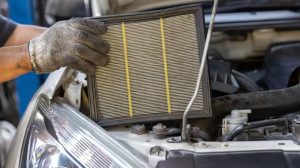
The simplest approach is to check the filter visually at each oil change. It takes less than five minutes on most vehicles and gives you an accurate picture of actual condition rather than relying solely on mileage intervals. A filter that is visibly dark, compressed, or shows debris on its surface needs replacement regardless of when it was last changed. Cabin air filter maintenance based on actual condition rather than fixed intervals produces better outcomes than adhering rigidly to mileage schedules.
Recognizing the Signs That Your Filter Needs Attention
Several symptoms indicate that cabin air filter maintenance is overdue and should be addressed promptly. Reduced airflow from the vents, despite the fan running at high speed, is the most common and most direct indicator. If your vents are not moving air with the force you would normally expect, a clogged filter is the most likely cause and the first thing worth checking before assuming a more expensive HVAC problem.
Unusual odors when the ventilation system is running are another clear signal. Musty or stale smells indicate moisture retention and potential mold growth in the filter. Dusty or earthy odors suggest heavy contamination that the filter can no longer contain effectively. Both indicate that cabin air filter maintenance is needed immediately rather than at the next scheduled service.
Increased dust accumulation on interior surfaces is a subtler indicator that the filter is no longer performing adequately. When a filter degrades, fine particles bypass it and settle on dashboards, seats, and screens at a higher rate than normal. If you notice you are cleaning dust from interior surfaces more frequently than usual, checking the cabin air filter as part of a basic diagnostic is a sensible first step.
Doing It Yourself Versus Having It Done at a Shop
Cabin air filter replacement is one of the most accessible DIY maintenance tasks available to vehicle owners. On most modern vehicles, the filter is located behind the glove box or under the dashboard on the passenger side and can be accessed without tools in under ten minutes. Replacement filters are widely available at auto parts stores and online for between fifteen and forty dollars, depending on the vehicle and filter quality. Labor charges at a dealership or shop for the same service typically add fifty to one hundred dollars to this cost.
The investment in doing this yourself is minimal, and the skills required are genuinely basic. The manufacturer’s service manual or a quick search for your specific vehicle and model year will show you exactly where the filter is located and how to access it. If you are comfortable checking your wiper blades, you can handle cabin air filter maintenance without professional assistance.
Premium filter options worth considering include activated carbon filters that add odor filtration to the standard particulate protection. These cost more than standard filters but perform noticeably better in urban environments where exhaust and chemical odors are a persistent issue. For allergy sufferers, HEPA-rated cabin filters provide superior particulate capture at a higher price point that many find worthwhile given the direct health benefits.
Final Thoughts
Cabin air filter maintenance is a small investment with consequences that extend well beyond the filter itself. Cleaner air, better HVAC performance, reduced strain on the blower motor, and lower risk of mold contamination are all direct results of keeping this component in good condition. Check it at every oil change, replace it when the condition warrants it regardless of mileage, and do not wait for symptoms to become obvious before acting. The filter does its best work invisibly, and the best way to keep it doing that work is to replace it before it stops.
FAQs
Q1: How often should cabin air filter maintenance be performed?
Every fifteen thousand to twenty-five thousand miles or annually, though urban driving, dusty roads, and heavy pollen seasons may require more frequent cabin air filter maintenance checks.
Q2: What are the signs my cabin air filter needs replacing immediately?
Reduced airflow from vents, musty odors when the fan runs, and increased dust on interior surfaces all indicate overdue cabin air filter maintenance that should be addressed promptly.
Q3: Can I perform cabin air filter maintenance myself at home?
Yes. Most vehicles allow easy filter access behind the glove box without tools. Replacement takes under ten minutes, and filters cost fifteen to forty dollars at most auto parts stores.