An engine failure can be one of the most stressful moments for any vehicle owner. The engine is the heart of a vehicle, and replacing it requires a decision that affects performance, reliability, and finances. When faced with this situation, many drivers ask the same question: should they purchase a used engine or invest in a new crate engine?
The discussion around used engine vs crate engine is common among car owners, mechanics, and automotive enthusiasts because both options provide different advantages. A used engine can offer affordability and quick availability, while a crate engine provides a fresh start with improved reliability and manufacturer-backed confidence.
The right choice depends on several factors, including vehicle age, budget, driving habits, repair goals, and how long you plan to keep the vehicle. Understanding these differences helps you avoid unnecessary expenses and choose an engine solution that matches your needs.
Understanding the Difference Between a Used Engine and a Crate Engine
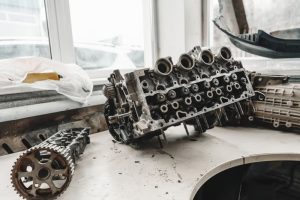
Before deciding between these options, it is important to understand what each engine type actually represents. A used engine is a previously operated engine removed from another vehicle. These engines usually come from cars involved in accidents, vehicles that were retired, or automobiles with other mechanical issues unrelated to the engine.
A crate engine is a brand-new or professionally rebuilt engine that is delivered as a complete unit. These engines are commonly manufactured by automotive companies or specialized engine builders and are designed to meet specific performance and quality standards.
The main difference in the used engine vs crate engine comparison is the balance between cost and certainty. A used engine focuses on affordability, while a crate engine focuses on reliability, performance, and long-term value.
When Choosing a Used Engine Is the Smarter Option
A used engine can be an excellent choice for drivers who need a practical and affordable repair solution. Many vehicle owners do not want to spend more money on an older car than the vehicle is worth. In these situations, installing a used engine can extend the vehicle’s life without creating a major financial burden.
For example, someone driving a ten-year-old vehicle for daily commuting may not need a brand-new engine. If the rest of the car is still in good condition, a properly inspected used engine can provide several additional years of dependable service.
The used engine vs crate engine decision often depends on the purpose of the repair. If the goal is simply restoring transportation at a reasonable cost, a used engine may be the most sensible option.
Why Budget Plays a Major Role in Engine Replacement
Cost is one of the biggest reasons people choose used engines. A crate engine can require a significant investment because it involves new components, manufacturing standards, testing, and often warranty protection.
A used engine is usually much more affordable because it comes from an existing vehicle. For many families and small business owners, saving thousands of dollars can make a major difference.
However, price should not be the only consideration. A cheaper engine with unknown history may create additional repair expenses later. Professional inspection and purchasing from a reliable supplier are important steps when selecting a used engine.
In the used engine vs crate engine discussion, affordability is the biggest advantage of used engines, but buyers should always balance savings with expected reliability.
Reliability Comparison: Which Engine Lasts Longer?
Reliability is where crate engines often have an advantage. Since they are new or professionally rebuilt, they usually include updated components and quality checks that reduce the risk of early failure.
A used engine can also be reliable, but its lifespan depends on previous maintenance, mileage, driving conditions, and storage quality. Two engines with the same mileage may perform completely differently because their histories are different.
Automotive professionals often recommend considering reliability based on your driving needs. Someone who drives long distances every day may prefer the confidence of a crate engine, while a person using a vehicle occasionally may be comfortable with a used replacement.
The used engine vs crate engine choice should always match your expectations for performance and durability.
Real-Life Example: Choosing Based on Vehicle Goals
Imagine two different vehicle owners facing engine failure. The first owner has an older family sedan with a low market value. The vehicle is mainly used for short trips, and the owner plans to keep it for another two or three years. Choosing a used engine allows the owner to repair the car without spending more than its value.
The second owner has a newer performance vehicle that is maintained carefully and expected to last many more years. For this driver, investing in a crate engine makes more sense because reliability and long-term performance are priorities.
Both choices are reasonable because the decision is based on different goals. This example shows why there is no single answer in the used engine vs crate engine debate.
Performance Expectations and Driving Requirements
Performance is another important factor when selecting an engine replacement. Crate engines are usually preferred by drivers who want consistent power, improved efficiency, or enhanced vehicle performance.
Performance enthusiasts often choose crate engines because they can select engines designed for specific applications, including higher horsepower or updated technology.
Used engines are generally better suited for standard transportation needs. They can provide excellent performance when matched correctly with the vehicle, but they may not deliver the same level of predictability as a new engine.
When comparing used engine vs crate engine, performance expectations should always be clear before making a final decision.
Warranty Protection and Long-Term Peace of Mind
Warranty coverage can greatly influence engine replacement decisions. Most crate engines come with manufacturer warranties that provide additional protection against defects or early problems.
Used engines may come with limited warranties depending on where they are purchased. Some suppliers provide short-term coverage, but it is usually not as extensive as crate engine protection.
For drivers who want maximum peace of mind, warranty support becomes a major advantage. Knowing that replacement costs may be covered provides additional confidence.
This is one reason many buyers consider warranty differences when evaluating the used engine vs crate engine options.
Installation, Compatibility, and Repair Considerations
Engine replacement is not only about buying the engine itself. Compatibility and installation also play important roles. A used engine from the same vehicle model and year can often make installation easier.
However, differences in production years, electronics, sensors, and computer systems can create challenges. A professional mechanic should always verify compatibility before installation.
Crate engines may also require additional adjustments, especially when upgrading performance components. Proper installation ensures the engine operates safely and efficiently.
The used engine vs crate engine decision should include installation costs because they can significantly affect the final repair budget.
Environmental Benefits of Reusing Automotive Engines
Choosing a used engine can support environmental sustainability by extending the life of existing automotive components. Recycling engines reduces waste and lowers the demand for new manufacturing resources.
At the same time, modern crate engines may provide better fuel efficiency and improved emissions performance due to updated technology.
Both choices can contribute to responsible vehicle ownership in different ways. A used engine supports recycling, while a newer crate engine may provide cleaner operation.
Environmental impact is becoming an increasingly important part of the used engine vs crate engine conversation.
Expert Advice: What Mechanics Consider Before Recommending an Engine
Experienced mechanics rarely recommend an engine replacement option based only on price. They examine the entire vehicle, including transmission condition, body quality, mileage, and future repair needs.
A mechanic may recommend a used engine for an older vehicle with limited future use. For a newer vehicle with strong remaining value, a crate engine may be a better investment.
Automotive experts often emphasize that the best decision depends on the complete condition of the vehicle rather than the engine alone.
This professional evaluation makes the used engine vs crate engine choice more accurate and financially practical.
Common Mistakes to Avoid When Buying a Replacement Engine
Many buyers focus only on the initial price and ignore important details such as engine history, warranty, and installation quality. This can lead to unexpected problems and additional expenses.
Another mistake is purchasing from unreliable sellers without checking mileage records or inspection reports. A trustworthy supplier and professional mechanic can reduce risks.
Taking time to research prevents expensive mistakes. A careful approach ensures that whichever option you choose provides better value.
Understanding the complete picture is essential when deciding between a used engine vs crate engine.
Future of Engine Replacement and Automotive Repairs
The automotive industry continues to change with hybrid and electric technologies, but traditional engines remain widely used around the world. Improvements in rebuilding methods and engine technology are making both used and crate engines more advanced.
Remanufactured engines are also becoming popular because they provide a middle option between used and brand-new solutions.
As technology improves, the difference between used engine vs crate engine may continue to evolve, giving vehicle owners more choices based on budget and performance requirements.
Conclusion: Choosing the Engine That Matches Your Situation
Choosing between a used engine and a crate engine requires careful consideration of cost, reliability, performance, and long-term goals. Neither option is automatically better because each serves a different purpose.
A used engine is often the right choice for budget-conscious repairs, older vehicles, and short-term ownership plans. A crate engine is better suited for drivers seeking maximum reliability, warranty protection, and long-term performance.
The best approach is to evaluate your vehicle’s condition, consult a trusted mechanic, and choose the solution that provides the greatest value. Understanding the used engine vs crate engine difference allows you to make a confident decision that protects both your vehicle and your investment.
FAQs
What is the main difference between a used engine and a crate engine?
A used engine comes from a previously operated vehicle, while a crate engine is new or professionally rebuilt. Used engines are usually cheaper, while crate engines provide better reliability, warranty coverage, and consistent performance. The right choice depends on your budget, vehicle condition, and long-term driving plans.
Is buying a used engine a reliable option?
A used engine can be reliable if it is properly inspected, has reasonable mileage, and comes from a trusted supplier. Many drivers successfully use replacement engines for years. However, reliability depends on maintenance history and previous usage, making inspection extremely important before purchase.
Why do people choose crate engines?
People choose crate engines because they offer improved reliability, better performance consistency, and warranty protection. They are especially useful for newer vehicles, performance upgrades, or owners who want long-term confidence without worrying about unknown engine history.
Which option is cheaper: used engine or crate engine?
A used engine is usually much cheaper than a crate engine because it comes from an existing vehicle. However, the final cost should include installation, possible repairs, and future maintenance. A cheaper option may not always provide the best long-term value.
How do I decide between a used engine and a crate engine?
The decision depends on your vehicle age, budget, driving needs, and ownership plans. A used engine works well for affordable repairs, while a crate engine is better for long-term reliability. Consulting a professional mechanic can help determine the best choice.