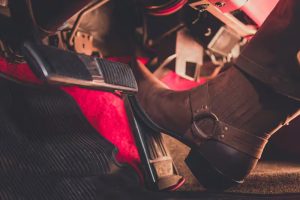
A brake pedal should feel firm, predictable, and responsive every time the driver presses it. When the pedal suddenly feels soft or spongy, it usually means the braking system is losing hydraulic efficiency somewhere. Some drivers notice the pedal sinking lower than normal, while others feel extra travel before the brakes actually respond. Either way, the issue deserves immediate attention because braking performance directly affects vehicle safety.
Understanding why the brake pedal feel soft helps narrow down possible problems quickly. In most cases, the issue involves trapped air, fluid contamination, leaking components, or worn hydraulic parts. Modern braking systems are reliable, but they still depend on clean fluid, sealed pressure, and healthy components working together consistently.
How Brake Pressure Works in Modern Vehicles
Brake systems operate through hydraulic pressure. When the driver presses the brake pedal, the master cylinder forces brake fluid through steel lines and rubber hoses toward the calipers or wheel cylinders. Because brake fluid does not compress under normal conditions, the force transfers instantly and evenly throughout the system.
A properly functioning brake system creates solid pedal resistance almost immediately. The pedal should not continue sinking under steady pressure, and it should not feel springy or inconsistent during repeated stops. Any change in firmness usually means the hydraulic pressure is escaping, compressing, or failing somewhere inside the system.
The reason a brake pedal feel soft becomes dangerous is simple. Hydraulic pressure determines how quickly and effectively the brakes apply force to the wheels. Reduced pressure means reduced stopping performance. Drivers may compensate by pushing harder on the pedal without realizing the system itself is no longer operating correctly.
Air in the Brake Lines Is a Common Cause
Air trapped inside brake lines remains one of the most common reasons drivers experience a spongy pedal. Unlike brake fluid, air compresses easily. When pressure reaches those air pockets, part of the pedal movement gets absorbed instead of transferring fully to the brakes.
This problem often develops after brake repairs, fluid replacement, or hydraulic component installation, where the system was opened without complete bleeding afterward. Even a small amount of trapped air can change pedal feel noticeably.
Why Air Changes Pedal Response
When the driver presses the brake pedal, hydraulic pressure should travel instantly to the braking components. Air interrupts that process because it compresses first before transmitting force. This creates a delayed or springy feeling under the foot.
The more air inside the system, the softer the pedal becomes. In severe cases, drivers may need to pump the brakes repeatedly to restore temporary pressure. That symptom usually indicates significant air contamination or pressure loss inside the system.
Proper Brake Bleeding Matters
Brake bleeding removes trapped air from hydraulic lines. However, incorrect bleeding procedures sometimes leave hidden air pockets inside ABS modules or rear brake circuits. Modern vehicles often require manufacturer-specific bleeding sequences or scan tool activation for proper air removal.
Professional technicians usually pressure bleed the system while monitoring fluid condition carefully. DIY bleeding can work successfully too, but rushing the process often leaves small air pockets behind.
Brake Fluid Contamination Affects Pedal Feel
Brake fluid absorbs moisture naturally over time. While this helps prevent water pooling inside the system, excessive moisture weakens fluid performance and changes hydraulic response.
Old brake fluid often becomes darker and contaminated with corrosion particles, rubber debris, and moisture. As contamination increases, brake pressure stability decreases. Drivers may first notice a softer pedal feel during heavy braking or long downhill driving situations where temperatures rise significantly.
Moisture Reduces Hydraulic Efficiency
Water contamination lowers the boiling point of brake fluid. Under heat, moisture inside the system can turn into vapor. Since vapor compresses much more easily than liquid fluid, the brake pedal feel soft during repeated or aggressive braking situations.
This issue becomes more noticeable in vehicles used for towing, mountain driving, heavy traffic commuting, or performance driving. Heat accelerates fluid breakdown and exposes moisture contamination faster.
Wrong Fluid Types Create Problems
Different braking systems require specific fluid ratings. Mixing incompatible brake fluids can damage seals, reduce lubrication properties, and affect hydraulic pressure behavior. Some fluids also react poorly together chemically, leading to internal deterioration over time.
Experienced technicians always verify the correct fluid specification before servicing brake systems. Using the wrong fluid may not create immediate failure, but long-term performance usually suffers.
Brake Fluid Leaks and Pressure Loss
Hydraulic systems depend entirely on sealed pressure. Once brake fluid begins leaking externally, pressure decreases gradually or sometimes very rapidly. Even minor leaks can create inconsistent pedal feel before larger safety problems develop.
Leaks commonly appear around brake hoses, steel lines, calipers, wheel cylinders, or master cylinder seals. Corrosion, vibration, road salt exposure, and age slowly weaken these components over time.
Signs of Hydraulic Leaks
Drivers sometimes notice fluid spots near wheels or under the vehicle. In other situations, the only symptom may be a slowly dropping brake fluid reservoir level combined with a soft pedal.
Brake fluid has a slippery texture and usually appears clear to light amber when fresh. Older contaminated fluid becomes darker brown over time. Any visible leakage around brake components deserves immediate inspection because hydraulic pressure loss rarely improves on its own.
Hose and Line Damage
Flexible brake hoses weaken internally after years of pressure cycling and heat exposure. Some hoses expand slightly during braking, absorbing pressure before it reaches the brakes fully. Steel lines can also corrode externally, especially in areas with harsh winters or heavy moisture exposure.
Small cracks or corrosion spots may suddenly rupture under heavy braking force. That possibility makes brake line inspection extremely important during regular service.
Master Cylinder Failure Causes Pedal Sink
The master cylinder creates hydraulic pressure whenever the brake pedal is pressed. Internal seals inside the cylinder wear gradually after years of use. Once those seals weaken, brake fluid bypasses pressure chambers internally instead of maintaining solid hydraulic force.
One of the clearest symptoms involves the pedal slowly sinking while the driver maintains steady pressure at a stoplight. The brakes may still function, but the pressure no longer stays consistent.
Internal Seal Wear
Master cylinder failures are not always visible externally. Some units leak internally without losing fluid outside the system. Drivers may continue adding unnecessary parts while the real problem remains hidden inside the master cylinder itself.
Internal bypass problems often worsen gradually. Drivers adapt slowly to changing pedal feel without realizing braking performance has declined significantly over time.
Replacement Usually Solves the Issue
Once internal master cylinder wear develops, replacement is normally the safest repair option. Rebuilding older units is less common today because replacement assemblies are more reliable and efficient.
After replacement, technicians must bleed the entire hydraulic system thoroughly to restore proper pedal firmness.
Worn Brake Components Affect Overall Performance
Worn mechanical brake parts can also contribute when the brake pedal feel soft during stopping. Brake pads, rotors, calipers, and rear drum components all affect how hydraulic pressure translates into braking force.
Thin brake pads force caliper pistons farther outward before contacting the rotor surface. Excessive movement increases pedal travel and changes braking response.
Rear Drum Adjustment Problems
Vehicles with rear drum brakes sometimes develop excessive shoe clearance as components wear. Self-adjusting mechanisms may stop functioning properly, forcing the pedal to travel farther before the brakes engage.
Technicians often inspect rear drum adjustment during pedal softness diagnosis because improper clearance can mimic hydraulic pressure problems.
Caliper Slide and Piston Issues
Brake calipers must move smoothly under pressure. Seized slide pins or sticking pistons create uneven braking response and inconsistent pedal feel. Some wheels may receive less braking force while others overcompensate.
Uneven brake pad wear often reveals these problems during inspection.
ABS System Faults Affect Brake Response
Modern braking systems include ABS modules that control hydraulic pressure electronically during emergency braking situations. Problems inside these systems occasionally create unusual pedal behavior or inconsistent pressure delivery.
Faulty ABS valves, hydraulic control units, or pressure sensors may interfere with normal brake operation. Drivers sometimes notice intermittent softness combined with warning lights or pulsation under light braking.
Diagnostic Scanning Helps Identify Problems
ABS-related faults rarely reveal themselves through visual inspection alone. Professional technicians use scan tools capable of reading hydraulic pressure data and electronic fault codes from the braking system.
Replacing parts without proper diagnosis often wastes money because multiple systems interact electronically in modern vehicles.
Heat and Brake Fade Create Temporary Softness
Brake systems generate tremendous heat during repeated stopping. Under extreme temperatures, brake fluid can boil internally, or brake components may lose friction efficiency temporarily.
This condition, called brake fade, often creates a temporary spongy pedal feeling. Drivers descending steep hills or towing heavy loads usually experience the highest brake temperatures.
Driving Habits Influence Brake Heat
Aggressive braking habits increase system temperatures rapidly. Riding the brakes downhill instead of using engine braking also contributes heavily to overheating.
Experienced drivers manage brake heat carefully during demanding driving conditions. Allowing brakes time to cool reduces the chance of temporary hydraulic pressure loss.
Diagnosing a Soft Brake Pedal Correctly
Accurate diagnosis matters because many braking symptoms overlap. Replacing random components without testing the system properly often leads to frustration and unnecessary repair costs.
Experienced technicians usually begin with a visual inspection followed by hydraulic pressure testing and road testing. Fluid condition, leak inspection, pedal behavior, and warning lights all provide important clues.
Basic Diagnostic Process
A proper inspection often includes:
Checking brake fluid level and condition
Inspecting hoses, lines, and calipers for leaks
Testing pedal firmness with the engine running and off
Verifying ABS warning lights and fault codes
Road testing also helps identify whether the issue appears constantly or only during certain driving conditions.
Conclusion
When the brake pedal feel soft or spongy, the braking system is warning the driver that hydraulic pressure is no longer operating normally. Air in the lines, contaminated fluid, leaking components, worn master cylinders, overheating, or ABS faults can all reduce pedal firmness and braking consistency.
Small changes in pedal feel should never be ignored. Brake systems rarely fail without warning signs first. Drivers who respond early usually prevent larger repair bills and reduce the risk of dangerous brake failure later.
Consistent maintenance, proper fluid service, and accurate diagnosis remain the best ways to keep braking performance reliable. Whether the issue involves simple air bleeding or major hydraulic repairs, restoring firm pedal feel quickly is essential for both vehicle control and driver safety.
FAQs
1. Can I still drive if my brake pedal feels soft?
A vehicle may still stop with a soft brake pedal, but driving becomes risky. The problem can worsen suddenly, especially during emergency braking or heavy traffic conditions.
2. Does low brake fluid always cause a soft pedal?
Low brake fluid often contributes to pressure loss, but it usually indicates another issue like worn brakes or hydraulic leaks somewhere in the system.
3. Why does my brake pedal improve after pumping it?
Pumping temporarily restores hydraulic pressure in systems containing air or internal leaks. This symptom usually points toward trapped air or master cylinder problems.