Most drivers focus on engine performance, fuel economy, and tire condition. Interior air quality rarely gets the same attention. Yet modern vehicles create tightly sealed cabin environments where contaminants can accumulate quickly. Traffic fumes, pollen, dust, smoke, and industrial pollutants constantly enter through the ventilation system. Understanding what does a cabin air filter do becomes important because passengers spend hours breathing recycled air during commutes and road trips. A clean interior environment improves comfort, reduces irritation, and helps maintain a more enjoyable driving experience in every season.
What Does a Cabin Air Filter Do Inside a Vehicle?
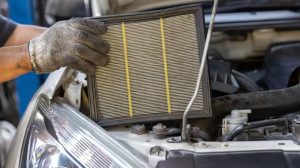
The main purpose of a cabin air filter is to clean the air entering the passenger compartment through the HVAC system. It traps airborne contaminants before they circulate inside the vehicle. Drivers often ask what does a cabin air filter do beyond basic dust control, but its role is much larger. It supports airflow efficiency, reduces unpleasant odors, and protects HVAC components from contamination. Modern vehicles rely heavily on consistent airflow management, especially with advanced climate control systems that continuously cycle interior and exterior air.
Filtering Dust, Pollen, and Road Debris
A cabin air filter captures fine particles that would otherwise enter the cabin through the ventilation system. This includes pollen, road dust, soot, and airborne debris from surrounding traffic. Drivers in urban areas often face higher pollution exposure because heavy traffic releases microscopic particles that easily travel into ventilation systems. A quality filter reduces these contaminants significantly and creates a cleaner interior atmosphere.
Managing Airflow Through the HVAC System
Efficient airflow depends on a properly functioning cabin air filter. When the filter remains clean, air passes smoothly through the vents and climate system. Once clogged, airflow becomes restricted, making heating and cooling systems work harder. This directly affects cabin comfort and overall HVAC efficiency. Understanding what does a cabin air filter do helps drivers recognize why airflow issues often originate from neglected maintenance rather than major HVAC failures.
Reducing Interior Odors and Pollutants
Activated carbon cabin filters can absorb odors from exhaust fumes, smoke, and industrial pollution. This becomes especially valuable in dense traffic or urban environments where external smells quickly enter the cabin. A clean filter also reduces stale air circulation, helping the interior feel fresher during long drives.
Protecting Sensitive HVAC Components
Dust buildup inside HVAC systems can damage blower motors and reduce system efficiency over time. The cabin air filter acts as a protective barrier that limits debris from entering sensitive components. Preventive filtration reduces long-term wear and lowers the risk of expensive ventilation system repairs.
The Relationship Between Cabin Air Filters and HVAC Performance
Drivers rarely connect HVAC problems to cabin air filters until airflow weakens noticeably. In reality, the filter directly affects heating and cooling performance. One important reason people search what does a cabin air filter do is because they experience inconsistent climate control inside the vehicle.
Airflow Restrictions and Ventilation Efficiency
A clogged filter limits air movement through vents. Even high fan settings may feel weak when airflow becomes restricted. This reduces ventilation efficiency and creates uneven temperature distribution throughout the cabin. In some vehicles, rear passengers notice the issue first because airflow reaches those vents last.
Impact on Heating and Cooling Speed
Climate control systems depend on unrestricted airflow to heat or cool the cabin quickly. Dirty filters slow temperature adjustment because less conditioned air reaches the passenger compartment. During summer, air conditioning systems may appear weaker than normal. During winter, cabin warm-up times increase noticeably.
Strain on Blower Motors and System Longevity
Restricted airflow forces blower motors to work harder. Continuous strain increases wear on electrical components and can shorten the HVAC system’s lifespan. Replacing a relatively inexpensive cabin air filter can prevent far more expensive repairs later.
Seasonal Climate Challenges
Seasonal conditions heavily influence filter performance. Spring pollen, summer dust, autumn debris, and winter moisture all affect airflow quality differently. Drivers in wildfire-prone regions also experience faster filter contamination due to smoke particles entering ventilation systems.
Different Types of Cabin Air Filters and Their Benefits
Not all cabin air filters perform equally. Choosing the right filter depends on driving conditions, environmental exposure, and personal comfort priorities.
Particulate Filters
Basic particulate filters trap dust, pollen, and larger airborne particles. They provide solid everyday protection and are commonly used in standard replacement intervals. These filters are cost-effective for drivers in moderate environments.
Activated Carbon Filters
Activated carbon filters add odor absorption capabilities. They help reduce exposure to traffic fumes and industrial smells. Many drivers who frequently travel in congested urban areas prefer carbon filters because they noticeably improve interior freshness.
HEPA-Style Advanced Filters
Some premium vehicles and aftermarket products use HEPA-style filtration technology. These advanced filters capture smaller particles and improve filtration efficiency substantially. Allergy-sensitive passengers often benefit most from these systems.
OEM vs Aftermarket Filter Comparisons
OEM filters match manufacturer specifications and ensure proper fitment. High-quality aftermarket options sometimes provide enhanced filtration performance at competitive prices. However, low-cost filters may reduce airflow or fail prematurely. Choosing a trusted brand usually delivers better long-term results.
Signs Your Cabin Air Filter Is No Longer Effective
Recognizing early warning signs helps prevent airflow problems and passenger discomfort. Drivers often ignore symptoms until HVAC performance declines severely.
Weak Airflow From Vents
Reduced airflow is one of the clearest indicators of a clogged filter. Even maximum fan settings may feel weak if airflow pathways become blocked.
Persistent Musty Smells
Moisture trapped inside dirty filters can create musty odors. This issue becomes more noticeable in humid climates where filters retain moisture longer.
Increased Dust Inside the Cabin
If interior surfaces collect dust rapidly, the filter may no longer capture airborne particles effectively. Excess cabin dust usually indicates declining filtration performance.
Window Fogging and Moisture Problems
Restricted airflow affects defogging performance. Windows may fog more frequently because insufficient airflow limits moisture removal inside the cabin.
Real-World Driving Conditions That Affect Filter Life
Manufacturer replacement intervals provide general guidance, but real driving conditions matter more. Drivers who understand what does a cabin air filter do often replace filters earlier because environmental exposure varies dramatically.
Urban traffic exposes filters to constant exhaust particles and industrial pollutants. Rural driving introduces large amounts of dust and debris. High-pollen regions accelerate filter contamination during allergy seasons. Construction zones release fine airborne particles that quickly clog filtration systems. Wildfire smoke creates especially severe contamination because smoke particles penetrate deeply into filter material. Extreme weather conditions also shorten filter life by increasing moisture exposure and debris accumulation.
How Often Should a Cabin Air Filter Be Replaced?
Most manufacturers recommend replacement every 12,000 to 20,000 miles, but environmental factors often require earlier service. Drivers in polluted or dusty areas may benefit from more frequent inspections.
Manufacturer Recommendations vs Real Usage
Factory schedules assume average driving conditions. Real-world use varies significantly depending on climate, road quality, and traffic density. Frequent city driving typically contaminates filters faster than highway travel.
Mileage Intervals and Environmental Factors
Mileage alone does not determine filter condition. Seasonal pollen, wildfire smoke, and construction exposure can reduce filter effectiveness well before standard replacement intervals.
Why Preventive Replacement Saves Money
Replacing a cabin air filter costs far less than repairing HVAC systems damaged by restricted airflow and excessive blower motor strain. Preventive maintenance improves long-term reliability and passenger comfort simultaneously.
Strategic Benefits of Maintaining a Clean Cabin Air Filter
A properly maintained filter improves more than interior cleanliness. It supports the overall driving experience and protects climate system efficiency.
Improved Passenger Comfort
Clean airflow creates a fresher and more pleasant cabin environment. Long drives become less fatiguing when ventilation systems operate efficiently and odors remain controlled.
Better Long-Term HVAC Reliability
Consistent airflow reduces stress on HVAC components. Preventive filter replacement helps maintain system efficiency and extends equipment lifespan.
Health and Allergy Advantages
Passengers with allergies or respiratory sensitivities benefit from cleaner cabin air. Reduced pollen and airborne particles improve overall comfort during seasonal allergy peaks.
Enhanced Driving Experience During Long Trips
Fresh airflow contributes to driver alertness and passenger comfort during extended travel. Poor cabin air quality often increases fatigue, especially during heavy traffic conditions.
Common Cabin Air Filter Mistakes Drivers Make
Many drivers overlook cabin air filter maintenance entirely. Others delay replacement until airflow problems become severe. Some purchase extremely cheap filters that restrict airflow or provide weak filtration performance. Incorrect installation also causes sealing issues that allow contaminants to bypass the filter. Another common mistake involves confusing the cabin air filter with the engine air filter. Both serve important functions, but they protect completely different systems.
Expert Tips for Maximizing Interior Air Quality
Drivers who want better interior air quality should combine filter maintenance with smart HVAC habits. Using recirculation mode strategically reduces outside pollutant intake during heavy traffic. Keeping interior surfaces clean minimizes airborne dust recirculation. Seasonal HVAC inspections help identify airflow issues early before they become expensive repairs. Choosing high-quality replacement filters also improves overall system performance and long-term reliability.
Conclusion
Understanding what does a cabin air filter do helps drivers recognize its importance beyond simple maintenance. It protects passengers from airborne contaminants, improves HVAC efficiency, reduces interior odors, and supports long-term climate system reliability. A neglected filter affects airflow, comfort, and overall driving quality more than many people realize. Regular replacement keeps the cabin environment cleaner, healthier, and more comfortable throughout the year. For drivers who spend significant time on the road, maintaining a quality cabin air filter is one of the simplest ways to improve everyday driving conditions.
FAQs
1. What does a cabin air filter do for allergies?
It traps pollen, dust, and airborne particles before they enter the cabin, helping reduce allergy irritation and improving comfort during seasonal pollen peaks.
2. Can a dirty cabin air filter affect air conditioning performance?
Yes. Restricted airflow from a clogged filter reduces cooling efficiency and forces the HVAC system to work harder than normal.
3. How do I know if my cabin air filter needs replacement?
Weak airflow, musty smells, excess dust, and poor defogging performance usually indicate the filter is clogged or ineffective.
4. Is replacing a cabin air filter expensive?
Most cabin air filters are relatively inexpensive compared to HVAC repairs. Preventive replacement saves money by protecting ventilation components.
5. What does a cabin air filter do during winter driving?
It helps maintain proper airflow for heating and defogging systems while reducing moisture buildup and improving overall cabin comfort.