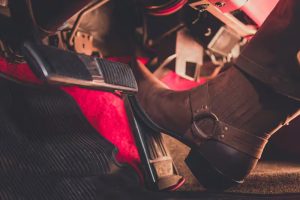
Brake problems rarely appear without warning. In many cases, drivers first notice a slight change in pedal feel before a major braking issue develops. A pedal that suddenly feels softer than normal can quickly become a serious safety concern if ignored. Even experienced drivers sometimes underestimate how much braking performance depends on proper hydraulic pressure throughout the system.
A soft brake pedal usually signals pressure loss somewhere in the braking system. The issue may come from trapped air, leaking fluid, worn components, or internal hydraulic failure. While some causes are relatively simple to repair, others require immediate professional attention because braking reliability directly affects vehicle control and stopping distance.
Understanding how brake systems behave under pressure helps narrow down the source of the problem faster. Drivers who recognize early warning signs often prevent larger repair costs and reduce the risk of brake failure during emergencies.
Understanding What a Soft Brake Pedal Means
A soft brake pedal does not always feel the same in every vehicle. Some pedals feel spongy and springy, while others slowly sink toward the floor under pressure. These differences matter because they often point toward different hydraulic or mechanical problems inside the brake system.
Brake systems depend on hydraulic pressure created when the driver presses the pedal. Brake fluid transfers this pressure through lines and hoses to calipers or wheel cylinders at each wheel. Since fluid cannot compress under normal conditions, pedal force should feel firm and predictable. When air enters the system or pressure escapes, the pedal begins to lose resistance.
Over time, evenwell-maintainedd vehicles can develop changes in brake feel due to fluid contamination, hose wear, or component aging. Drivers familiar with their vehicle’s normal pedal response usually detect these changes earlier than those who ignore small performance differences.
Difference Between Soft, Spongy, and Sinking Pedals
A spongy pedal often feels springy because air inside the brake lines compresses during braking. A sinking pedal typically points toward internal master cylinder leakage where hydraulic pressure bypasses seals internally. A generally soft brake pedal may involve several overlapping issues affecting overall brake pressure stability.
Distinguishing between these symptoms helps technicians diagnose problems more efficiently. Misdiagnosis often leads to unnecessary parts replacement while the real issue remains unresolved.
Common Symptoms That Accompany a Soft Brake Pedal
Brake pedal softness rarely appears alone. Most vehicles develop additional warning signs that help narrow down possible causes. Drivers should pay close attention to how the vehicle responds during normal stopping situations because small changes can reveal important hydraulic problems.
Longer stopping distances are one of the most common symptoms. Drivers may need to press the pedal farther or harder before the brakes respond properly. This delay becomes especially noticeable during city driving, where repeated braking occurs frequently.
Brake warning lights also deserve immediate attention. Modern vehicles monitor brake fluid levels, hydraulic pressure, and ABS operation electronically. Warning lights combined with a soft brake pedal often indicate serious pressure loss or electronic system faults.
Fluid leaks represent another major warning sign. Brake fluid around wheels, under the vehicle, or near the master cylinder usually points toward damaged lines, leaking seals, or failing components. Since hydraulic systems depend on sealed pressure, even small leaks can reduce braking performance significantly.
Air in the Brake Lines
Air trapped inside brake lines remains one of the most common reasons for a soft brake pedal. Unlike brake fluid, air compresses easily under pressure. This reduces the direct transfer of pedal force to the braking components.
Air enters the system through leaks, improper repairs, low brake fluid levels, or component replacement procedures where the hydraulic system was opened without proper bleeding afterward. Even minor maintenance mistakes can introduce enough air to affect pedal feel noticeably.
Why Air Creates Pedal Softness
When drivers press the brake pedal, hydraulic pressure should move instantly through incompressible fluid. Air bubbles interrupt this process because they compress before the pressure reaches the brakes fully. The result is delayed braking response and reduced pedal firmness.
Vehicles with ABS systems sometimes trap air inside hydraulic modules as well. These systems may require specialized bleeding procedures using scan tools to remove trapped air completely.
Proper Brake Bleeding Matters
Brake bleeding removes trapped air by forcing fluid through the hydraulic system until only clean fluid remains. Incorrect bleeding order, low fluid levels during bleeding, or improper procedures can leave air trapped inside certain lines.
Experienced technicians follow manufacturer-specific bleeding sequences carefully because different braking systems route hydraulic pressure differently.
Brake Fluid Problems and Contamination
Brake fluid absorbs moisture gradually over time. This characteristic helps prevent water pooling inside brake components, but excessive moisture lowers fluid performance and changes braking feel.
Old fluid becomes contaminated with water, corrosion particles, and rubber debris from seals and hoses. As contamination increases, brake performance often becomes less predictable.
A soft brake pedal sometimes develops because contaminated fluid boils more easily under heat. Steam bubbles form inside the system during heavy braking, reducing hydraulic pressure temporarily.
Using the Correct Brake Fluid
Different vehicles require specific brake fluid types with unique temperature and viscosity ratings. Mixing incompatible fluids can damage seals or reduce hydraulic performance.
Drivers occasionally add incorrect fluid types accidentally during maintenance. This can create internal seal swelling, pressure instability, or gradual component failure over time.
Regular brake fluid replacement remains one of the most overlooked maintenance services despite its direct impact on braking reliability.
Brake Fluid Leaks and Pressure Loss
Hydraulic pressure depends entirely on a sealed system. Once fluid begins escaping through leaks, pedal feel often changes quickly. A soft brake pedal caused by leakage should never be ignored because complete brake failure may eventually occur.
Leaks commonly develop around flexible brake hoses, steel lines, calipers, wheel cylinders, and master cylinder seals. Corrosion, heat exposure, vibration, and age gradually weaken these components.
Master Cylinder Leaks
The master cylinder creates hydraulic pressure when the pedal is pressed. Internal seal wear allows pressure bypass inside the cylinder instead of directing force toward the brakes.
External master cylinder leaks may also appear around mounting areas or fluid reservoirs. Drivers sometimes notice fluid dripping near the firewall or booster assembly.
Caliper and Wheel Cylinder Problems
Brake calipers and wheel cylinders contain seals that wear over time. Once seals begin leaking, fluid escapes while braking pressure drops gradually. Drivers may notice uneven braking alongside the soft brake pedal symptom.
Small leaks can become dangerous quickly because brake fluid loss accelerates once seals deteriorate further.
Master Cylinder Failure and Internal Wear
Master cylinders eventually wear internally after years of pressure cycling. Internal seal deterioration allows fluid to bypass pressure chambers instead of maintaining consistent hydraulic force.
One common symptom involves the brake pedal slowly sinking while stopped at traffic lights. Drivers maintain constant pedal pressure, yet the pedal gradually moves downward. This usually indicates internal pressure bypass inside the master cylinder.
Replacing the master cylinder often restores proper pedal feel immediately if no other hydraulic issues exist. However, technicians should inspect the entire brake system because contaminated fluid or worn components may have contributed to the failure initially.
Brake Hose Expansion Under Pressure
Brake hoses experience constant pressure changes and heat exposure throughout their lifespan. As rubber hoses age, they weaken internally and begin expanding slightly during braking.
This expansion absorbs some hydraulic pressure before it reaches the brakes fully. Drivers feel this as reduced pedal firmness or delayed braking response.
Heat and Age-Related Damage
Vehicles operating in hot climates or mountainous driving conditions place additional stress on brake hoses. Heat accelerates rubber deterioration while repeated pressure cycling weakens internal hose layers gradually.
Cracked outer surfaces often indicate deeper internal deterioration. Technicians inspect hoses carefully for swelling, cracks, fluid seepage, or softness during brake service.
Some drivers upgrade to braided stainless steel brake lines for improved pedal consistency and reduced expansion under pressure.
Worn Brake Components Affecting Pedal Feel
Brake pads, rotors, drums, and calipers influence pedal feel more than many drivers realize. Severely worn components force hydraulic systems to travel farther before braking force engages properly.
Thin brake pads increase the piston travel distance inside the calipers. Rear drum brake systems may also require adjustment if excessive clearance develops between shoes and drums.
Caliper Problems and Uneven Pressure
Sticking caliper slides or seized pistons create an uneven braking response. Some wheels may receive less pressure while others compensate excessively. This imbalance affects pedal feel and braking stability.
Technicians inspect caliper movement carefully during brake service because partially seized components often remain unnoticed until braking performance declines significantly.
ABS Related Brake Pedal Problems
Modern braking systems integrate ABS modules that manage hydraulic pressure electronically during emergency braking situations. Problems inside these systems sometimes create unusual pedal feel changes.
Faulty ABS valves, pressure sensors, or hydraulic control units may interfere with normal brake pressure distribution. Drivers occasionally report intermittent softness combined with ABS warning lights or unusual pedal pulsation.
Diagnosing ABS-related problems usually requires scan tools capable of reading live hydraulic and electronic data. Basic visual inspection alone rarely identifies these faults accurately.
Step-by-Step Diagnostic Process
Proper brake diagnosis follows a structured process instead of random parts replacement. Experienced technicians begin with visual inspections before moving toward pressure testing or electronic diagnostics.
Fluid levels and fluid condition provide important early clues. Dark fluid, low reservoir levels, or visible contamination often point toward neglected maintenance or leakage.
Road testing helps identify whether the soft brake pedal occurs consistently, only under heavy braking, or during certain driving conditions. These patterns narrow diagnostic possibilities significantly.
Pressure testing tools allow technicians to isolate specific hydraulic sections and identify internal bypass problems more accurately.
Safety Risks of Ignoring Brake Problems
Ignoring brake softness creates serious safety risks, even if the vehicle still stops eventually. Reduced hydraulic pressure affects emergency braking performance most severely because maximum stopping force may no longer be available instantly.
Mountain driving, towing, heavy traffic, and wet road conditions increase these dangers further. Brake fade becomes more likely when compromised systems operate under additional heat or stress.
Some drivers adapt gradually to worsening pedal feel without realizing how much braking performance has deteriorated over time. This adjustment can become dangerous because emergencies demand immediate brake response.
Temporary Fixes Versus Permanent Repairs
Drivers occasionally attempt temporary solutions like repeatedly pumping the brake pedal before stopping. While this may restore partial pressure briefly in some situations, it does not solve the underlying hydraulic problem.
Emergency measures should only help move the vehicle safely for immediate repair. Continuing daily driving with unresolved brake pressure issues risks complete failure later.
Permanent repairs require accurate diagnosis, proper parts replacement, and complete hydraulic bleeding afterward. Shortcuts often create additional safety concerns.
Conclusion
A soft brake pedal almost always indicates hydraulic pressure problems somewhere inside the braking system. Air trapped in brake lines, contaminated fluid, leaking components, failing master cylinders, worn hoses, and ABS-related faults all contribute to reduced pedal firmness and longer stopping distances.
Early diagnosis matters because small hydraulic problems often become larger safety risks if ignored. Drivers who notice changing pedal feel should inspect the system immediately rather than waiting for warning lights or severe braking failure to appear.
Reliable brakes depend on proper fluid condition, sealed hydraulic pressure, and healthy mechanical components working together consistently. Whether the repair involves simple bleeding or major component replacement, resolving brake pressure issues quickly protects both vehicle performance and driver safety.