A high car engine repair estimate can feel unreasonable at first glance. Many owners expect a repair bill to stay somewhat aligned with the car’s market value. Instead, they are often faced with numbers that are higher than what the vehicle is worth. This gap is common and usually reflects how modern engines, labor costs, and depreciation interact rather than any mistake in pricing.
To make sense of it, you need to separate emotional value from economic value. A car may still feel useful and reliable, but the market may already treat it as low-value due to age and depreciation. Engine repair, on the other hand, follows technical realities that do not scale down with the car’s resale price.
Understanding Why Engine Repairs Are Expensive Today
Modern engines are no longer simple mechanical systems. They are tightly engineered units combining electronics, sensors, precision fuel systems, and high-performance components. This complexity increases the time needed for diagnosis and repair.
A small symptom like rough idling or overheating often hides multiple underlying issues. Mechanics may need to inspect several systems before finding the actual fault. That means more labor hours even before repair work begins.
Labor is one of the biggest cost drivers in engine repair. Skilled technicians are required to dismantle, inspect, and rebuild engines safely. This process cannot be rushed because precision determines whether the engine will function properly afterward.
Parts also contribute significantly. Many manufacturers sell components as larger assemblies instead of individual parts. This increases cost even for relatively small failures. Combined, these factors make engine repair far more expensive than most owners expect.
Key Reasons Your Car Engine Repair Estimate Feels Overpriced
Hidden Internal Engine Damage
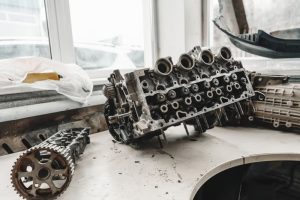
One major reason for high estimates is damage that cannot be seen without opening the engine. Issues like worn pistons, damaged bearings, or a failing head gasket often remain hidden until disassembly begins. A car may appear to have a minor issue externally, but internally it may require extensive repair. This uncertainty forces mechanics to include broader repair possibilities in the estimate, which raises the price.
Labor Costs That Outweigh Parts
In many engine repairs, labor is more expensive than parts. This surprises many car owners. The engine must be partially or fully removed, disassembled, repaired, and reassembled. Each step takes time and precision. Even a simple gasket replacement can involve hours of labor due to limited engine access. The more complex the engine layout, the higher the labor cost becomes.
Diagnostic Uncertainty and Risk Buffering
Engine diagnosis is not always precise at the beginning. Mechanics often include a buffer in estimates to account for unexpected issues discovered during teardown. For example, a suspected head gasket issue may also involve warped cylinder heads or internal contamination. This risk-based pricing protects workshops but makes initial quotes feel higher than expected.
How Car Value Affects Perception of Engine Repair Costs
Depreciation vs Repair Economics
Cars lose market value quickly, especially after several years of use. Engine repair costs, however, do not decrease at the same rate. This creates a mismatch where repair bills seem too high compared to resale value. A $4,000 repair on a $2,000 car may feel unreasonable, but the cost reflects mechanical reality rather than market perception.
Insurance and Market Replacement Logic
Insurance companies often declare a vehicle a total loss when repair costs exceed its market value. This is a financial decision, not a mechanical one. From a business perspective, replacing the car is cheaper than repairing it. This same logic often influences repair advice from professionals, even outside insurance cases.
Emotional Value vs Financial Value
Many owners hesitate to repair or replace a car because of emotional attachment. The vehicle may have served for years or hold personal significance. While understandable, emotional value does not change repair economics. Mechanics must base estimates on technical condition and labor requirements, not sentiment.
Common Engine Problems That Lead to High Repair Bills
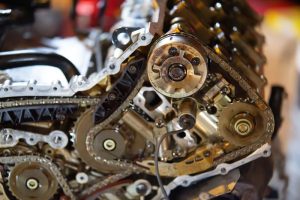
Certain engine issues are naturally expensive because they affect multiple systems. A blown head gasket can lead to overheating, coolant mixing with oil, and internal pressure loss. Timing chain or belt failures can cause severe internal damage if the engine continues running after failure. Turbocharger issues add cost due to precision parts and calibration requirements. Fuel injection problems require advanced diagnostics, and engine block damage often results in complete engine replacement rather than repair.
Why Modern Engines Are More Expensive to Repair
Turbocharged and Direct Injection Systems
Modern engines use turbochargers and direct injection systems for better performance and efficiency. These systems operate under high pressure and require precise calibration. Small faults can affect the entire engine’s behavior. Repairing them requires specialized tools and expertise, which increases cost.
Electronics and Engine Control Modules
Engines today rely heavily on electronic control units and sensors. These systems constantly monitor performance and adjust operation in real time. When something fails, diagnosis requires scanning tools and sometimes software recalibration. This adds both time and cost to repair work.
Limited Access and Compact Engine Bays
Modern vehicles are designed with compact engine compartments. While this improves safety and efficiency, it makes repairs more difficult. Mechanics often need to remove multiple components just to reach the damaged area. More disassembly means more labor hours and higher final costs.
When Car Engine Repair Costs Exceed Vehicle Value
At a certain point, repairing the engine is no longer economically practical. This is known as an economic total loss. If repair costs are close to or higher than the car’s market value, replacement becomes a more logical choice. However, this decision is not always purely financial. A well-maintained vehicle with a repaired engine may still have useful life left, depending on overall condition.
Alternatives to Expensive Engine Repairs
Used or Rebuilt Engine Replacement
Replacing the engine with a used or rebuilt unit is often more cost-effective than full internal repair. A used engine comes from another vehicle, while a rebuilt engine has been restored with new internal parts. This option reduces labor complexity but depends heavily on the quality and history of the replacement engine.
Partial Repairs and Temporary Fixes
Some situations allow partial repairs that extend engine life without full replacement. This is only suitable for limited damage. While it may reduce immediate costs, it is not a long-term solution for severe internal failure.
Selling or Scrapping the Vehicle
If repair costs are too high, selling or scrapping the vehicle may be more practical. Even non-running cars have salvage value through parts or metal recycling. This option helps recover some value instead of investing further into a failing engine.
How to Evaluate a Car Engine Repair Estimate Properly
Breaking Down Labor vs Parts Costs
A proper estimate should clearly separate labor and parts. Labor usually makes up the largest portion. Understanding this breakdown helps identify whether pricing is reasonable or inflated. Some repairs naturally require more labor due to engine design complexity.
Getting a Second or Third Opinion
Different mechanics may diagnose the same issue differently. A second opinion helps confirm whether the problem is accurately identified. It also provides alternative repair options that may reduce overall cost.
Assessing Long-Term Vehicle Reliability
Even after engine repair, older cars may develop additional issues in transmission, suspension, or electronics. It is important to consider long-term ownership costs rather than focusing only on the current repair bill.
Preventive Maintenance to Avoid High Engine Repair Costs
Regular oil changes protect internal components from wear. Cooling system maintenance prevents overheating, which is one of the most expensive causes of engine damage. Early warning signs such as unusual noises, smoke, or dashboard alerts should never be ignored. Driving habits also matter, as aggressive driving and poor maintenance accelerate engine wear.
Conclusion
High car engine repair estimates are often the result of real mechanical complexity combined with vehicle depreciation. Modern engines are expensive to diagnose and repair, while older cars lose value quickly, creating a gap between cost and worth. The decision to repair, replace, or scrap should be based on both technical condition and long-term financial logic. Understanding these factors helps car owners avoid emotional decisions and choose the most practical outcome for their situation.